Discovery Bay and Runaway Bay: Jamaica’s Hidden Heritage Coast
Most travelers along Jamaica’s northern coastline watch Saint Ann Parish blur past through tinted tour bus windows. They race east towards the tiered spillways of Ocho Rios or west towards the sprawling resort strips of Montego Bay, completely bypassing the quiet, limestone-ribbed shelf where the island’s earliest human histories were carved. I have spent years wandering this stretch of coast, specifically the ten-mile pocket between Discovery Bay and Runaway Bay. It is a world removed from cruise terminal chaos: quiet coves, fisherman docks smelling of brine and pimento wood, and labyrinthine karst chambers hidden under dry upland scrub.
Green Grotto Caves discovery bay jamaica remains the crown anchor of this corridor, drawing those who want to understand what lies beneath the surface of the island. Yet the surrounding shoreline holds just as much weight. From Columbus Park down to the calm, turquoise sweep of Cardiff Hall Beach, this is Jamaica’s true heritage coast. It rewards anyone willing to leave the highway, slow down, and walk the salt-crusted backroads.
Discovery Bay Heritage & History
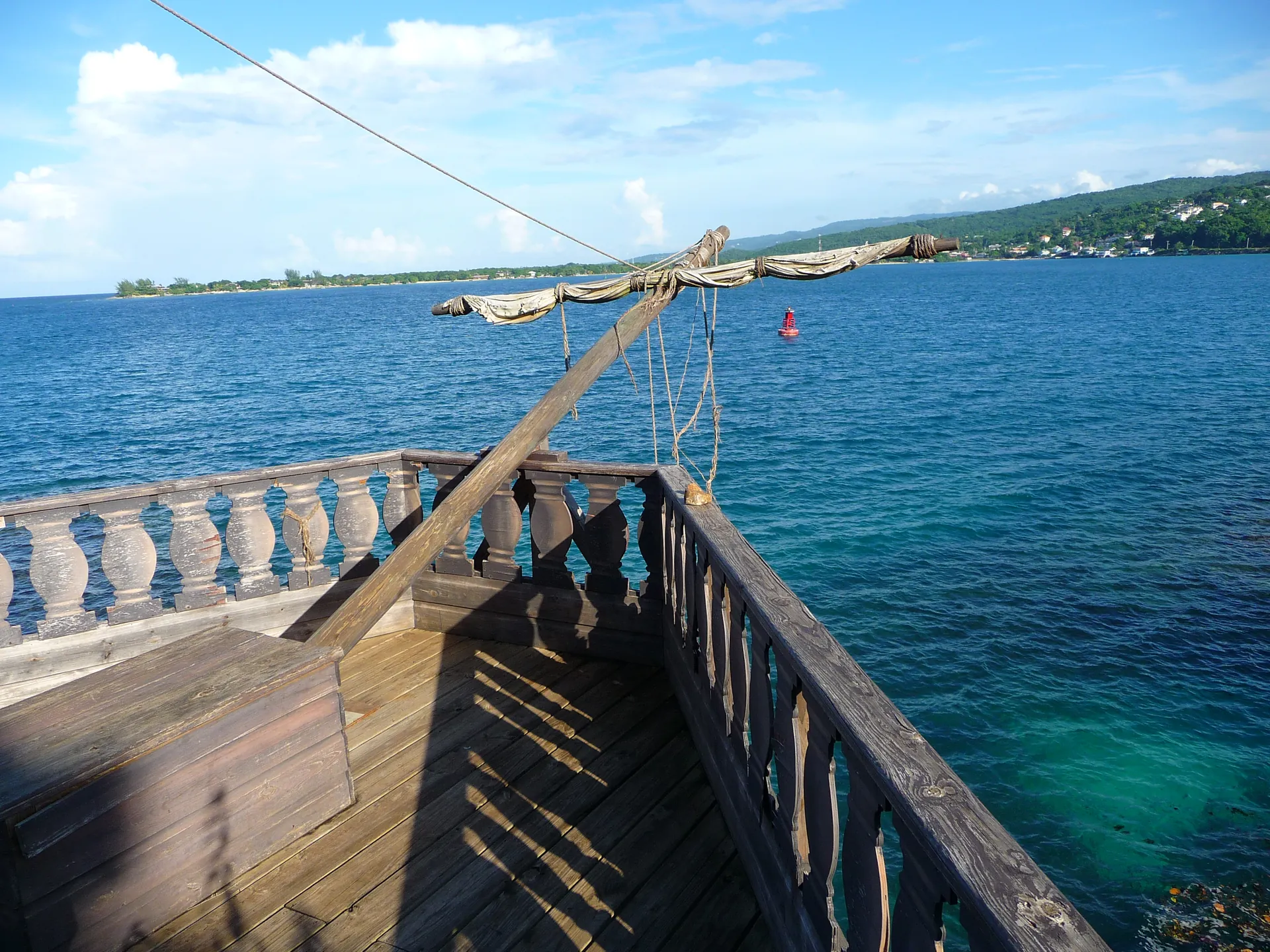
Discovery Bay, known locally as Puerto Seco when Christopher Columbus first sighted its shores in 1494, sits on a deeply protected natural harbour. Colonial lore long held that Columbus landed here seeking fresh water, only to find none and dub it “Dry Harbour.” Modern hydrologists and local historians know better. Fresh water does indeed flow into the bay, burbling directly through submarine springs fed by the interior karst mountains, a geological phenomenon documented thoroughly by the Discovery Bay Marine Laboratory, a premier research station run by the University of the West Indies.
Perched high on the western bluff overlooking the water, Columbus Park operates as an open-air historical museum. It does not try to dress up the past. You can walk through rusty colonial sugarcane press rollers, massive cast-iron boiling coppers (known as “hell pots” during the era of plantation slavery), and old waterwheels. Stand near the cliff edge where British cannons point silent across the shipping channel; you will see industrial bauxite vessels docking at the Kaiser terminal opposite the bay, an unfiltered glimpse into modern Jamaican trade existing alongside sixteenth-century artifacts.
Just five minutes inland lies the geological marvel that anchors the parish: Green Grotto Caves in Jamaica. While many cave systems across the Caribbean function merely as commercial photo-ops, this subterranean labyrinth is woven deeply into national identity. The Taíno people used these caverns thousands of years ago for shelter, ritual, and safe storage, leaving behind fragments of pottery, tools, and charcoal carvings preserved inside deep crevices.
Centuries later, the caves became a critical refuge during periods of violent conquest. When the British invaded Jamaica in 1655, Spanish soldiers fled into the pitch-black tunnels to regroup before slipping away to Cuba. Decades after, enslaved Africans escaped harsh plantation estates across Saint Ann and found sanctuary here, building hidden living quarters within the cool limestone corridors. It is this multi-layered chronicle that makes a visit to the subterranean lake so poignant. If you plan to visit, check our breakdown of Green Grotto Caves history and heritage to grasp how these limestone walls sheltered freedom fighters centuries before film crews transformed the underground lake into Dr. Kananga’s lair for James Bond’s Live and Let Die.
Runaway Bay Beaches & Coastal Life
Travelling east from Discovery Bay brings you into Runaway Bay, a sleepy community whose very name carries two conflicting oral histories. One camp argues it honors Spanish governor Cristóbal Arnaldo Ysasi, who ran away from this shoreline in 1660 after final defeat by the English. The more enduring, widely held belief among local elders is that it marks the launching point from which brave runaway Maroons paddled dugout canoes across open Caribbean waters towards safety in Cuba. That quiet defiance lingers in the atmosphere here.
Unlike the wall-to-wall all-inclusive barricades defining Montego Bay, Runaway Bay retains several public access gates leading to raw, untamed sand. Cardiff Hall Beach (popularly known as Flavours Beach) is the undisputed heartbeat of weekend life. Here, local families spread out beneath sea grape trees while sound systems hum low reggae basslines from open car trunks. The offshore reef breaks the rough Atlantic swells, leaving the swimming shallows glass-calm and inviting.
Further along the curve lies Salem Beach, a slightly wilder strip favored by spearfishermen who drag their wooden skiffs up onto the pebbles at dawn. The sand along Runaway Bay has a coarse, golden hue derived from crushed coral and limestone silt, contrasting sharply with the pale talcum powders of Negril. If you wander east past the public accesses, you encounter pockets of quiet, mangrove-fringed coastline where seabirds nest undisturbed.
“Go down to Flavours on a Sunday afternoon, skip the resort buffet, and order steamed snapper with bammy from the seaside shacks. The ocean breeze cools the scotch bonnet heat better than anything else.”
For visitors organizing day excursions from regional ports, these beaches offer an effortless pairing after an underground cave tour. Travelers arriving from Falmouth or docking in Ocho Rios can review our Falmouth cruise shore excursions guide or our Ocho Rios day trip planner to see how to string coastal swims, cave treks, and village walks into a single seamless loop.
Local Food, Villages & North Coast Experiences
Real Jamaican cuisine thrives along highway shoulders, far from the sterile white tablecloths of gated resorts. The culinary scene between Discovery Bay and Runaway Bay centers around freshly landed catches and slow-smoked jerk pork. At the Discovery Bay fishing beach, wooden boats with peeling blue and yellow paint arrive late morning with kingfish, yellowtail snapper, and Caribbean spiny lobster. Local cooks clean the fish right at the surfline, seasoning them with garlic, scallion, whole pimento seeds, and fiery scotch bonnet before sliding them into sizzling Dutch pots of coconut oil.
Near Runaway Bay, rustic smokehouses burn green sweetwood branches covered by zinc sheeting, filling the humid air with pungent, peppery smoke. Scotchies in Drax Hall sits a short drive eastward, but true road warriors pull in at the nameless roadside stalls along the main thoroughfare. Pair your jerk pork with festival—sweet, fried cornmeal dumplings—or dense, cassava-based bammy soaked in coconut milk before frying. It is simple food, rooted deeply in the survival methods of ancestral Maroon camps.
Stepping inland brings you into rural Saint Ann, often referred to affectionately as “the Garden Parish.” Villages like Browns Town, perched high in the limestone hills, host sprawling weekend agricultural markets where farmers haul yams, callaloo, cho-cho, and breadfruit down from mountain terraces. The elevation cools the air dramatically, offering a refreshing respite when coastal humidity climbs above thirty degrees.
The karst geology dominates the landscape up here. The ground is pitted with sinkholes, disappearing streams, and hundreds of unmapped cave mouths veiled by thick ficus roots and wild ferns. This terrain shaped Jamaica’s guerrilla resistance against colonial troops, providing impenetrable terrain that kept freedom fighters safe. When you navigate the underground steps at Green Grotto Caves down to the subterranean lake, you are walking through the most accessible example of this vast, honeycomb karst formation that defines central Jamaica.
Traveler Advice for the Heritage Coast
Getting around this quiet corridor is remarkably straightforward if you understand the local rhythm. Route taxis, marked by red license plates, shuttle continuously between the bus parks in Browns Town, St. Ann’s Bay, and Falmouth. They run along the coastal highway all day long, costing a fraction of private charter rates. If you prefer self-driving, rent a car from Sangster International Airport in Montego Bay; the paved North Coast Highway makes navigation easy, though you must stay vigilant for sudden potholes and pedestrians walking along teh road shoulders.
For official travel guidelines, safety notices, and verified parish resources, consult the Jamaica Tourist Board [Official Website] before finalizing your transit. When packing for day tours combining coastal beaches and inland caverns, bring sturdy walking shoes with reliable rubber tread. Flip-flops are fine for Cardiff Hall Beach, but dangerous on damp cave limestone. Review our comprehensive checklist on Green Grotto visitor rules and footwear guidelines to make sure you arrive fully equipped for subterranean hiking.
Here is a quick overview of essential details for planning a journey through Discovery Bay and Runaway Bay:
| Destination | Primary Attraction | Traveler Tip |
|---|---|---|
| Columbus Park | Colonial artifact collection & bay outlook | Free entry; quick 30-minute stop for panoramic bay photographs. |
| Green Grotto Caves | Limestone formations & underground lake | Mandatory hardhats; book ahead during cruise peak hours. |
| Cardiff Hall Beach | Public swimming & local seafood shacks | Busiest on Sundays; vendors accept cash Jamaican dollars. |
| Browns Town Market | Highland agricultural market | Visit early Saturday morning for fresh tropical fruits and spices. |
Whether you are staying at an independent guesthouse tucked into the cliffs or taking a day trip from Ocho Rios, this corridor represents the North Coast at its most genuine. Take time to talk with the vendors, swim in the cold river springs mixing with salty sea water, and venture deep into the limestone caverns that protected Jamaica’s ancestors centuries ago.
If you wish to explore the underground chambers with a qualified guide, several curated transport options connect Montego Bay, Falmouth, and Ocho Rios directly to the site:
- Ocho Rios Transfer & Combo Trips: Consider booking the Dunn’s River Falls & Green Grotto Caves combo to pair limestone caverns with waterfall climbing in one streamlined itinerary.
- Falmouth Cruise Excursions: Cruise ship passengers docked at Falmouth Port can reserve a direct Green Grotto Caves guided shore excursion with dedicated return-to-ship timing.
- Dedicated Ocho Rios Cave Tours: If arriving through Ocho Rios terminal, the Green Grotto Caves tour from Ocho Rios Port offers seamless pickup and direct admission.
- Private Chauffeur from Montego Bay: For families or small groups wanting flexibility, private transfers like the Montego Bay to Green Grotto private transport allow you to explore Columbus Park and local beaches at your own pace.