Jamaica Travel Tips: Safety, Transportation, and Eco-Tourism Guidelines
Living along the coastline in Runaway Bay, I spend my mornings watching fishing skiffs cut through the swell and my afternoons ducking out of the midday heat. When the midday sun turns the North Coast Highway into a shimmering ribbon of asphalt, stepping down into the cool shadows of Discovery Bay is a welcome relief. Green Grotto Caves is not just a roadside detour between Montego Bay and Ocho Rios; it is a profound subterranean archive holding ancient Taíno pottery shards, memories of Spanish runaways fleeing English soldiers in 1655, and the cavernous chambers where smugglers once stashed illicit cargo.
If you plan to discover green grotto caves during your Jamaican holiday, you need practical, street-level preparation rather than generic tourist brochures. The cavern system measures roughly 1,525 metres long and plunges twelve metres deep into the limestone shelf, meaning the microclimate, physical demands, and logistics differ dramatically from a routine beach day. Navigating Jamaica requires an understanding of local transport etiquette, cash handling, and environmental protocols that protect our fragile karst landscapes. Below is the field-tested guidance you need before embarking on your green grotto caves jamaica excursion.
Money, Tipping & Everyday Costs
Currency Strategy in Saint Ann
Jamaica operates on two parallel currencies: the Jamaican Dollar (JMD) and the United States Dollar (USD). Major resort turnstiles, ticket desks, and organized tour companies happily bill in USD, but relying entirely on American cash costs you a quiet premium. Roadside fruit stands selling Julie mangoes, rustic jerk huts, and local route taxis calculate their own exchange rates if you hand over US twenty-dollar bills, routinely rounding down in their favour.
For smooth transactions across Discovery Bay and Runaway Bay, withdraw Jamaican dollars directly from commercial bank ATMs (such as Scotiabank or NCB) in town centres rather than airport currency kiosks. You can verify prevailing official exchange rates through the Bank of Jamaica [Official Website] before converting funds. Keep a small stack of JMD $100, $500, and $1,000 notes tucked away in a waterproof pouch for road stops, while reserving your credit cards for primary tour desk admissions.
Tipping Standards & Fair Rates
Tipping is an integral part of the service culture across Jamaica’s tourism corridor. Underground cave guides at Green Grotto are government-trained specialists carrying deep knowledge of geology, bat ecology, and parish history. While admission covers site entry, rewarding your guide directly acknowledges their craft and watchful care across steep subterranean steps.
A fair tip for your caving guide is JMD $500 to $1,000 (roughly USD $3 to $7) per person in your party. If you hire a private driver for a full day along the North Coast, budget a 15% to 20% gratuity based on the total charter cost. At sit-down restaurants in Ocho Rios or Falmouth, check your final receipt carefully; many establishments add a 10% service charge automatically, which you can top up by an extra 5% to 10% for exceptional table service.
| Expense Item | Typical Cost (USD) | Typical Cost (JMD) | Payment Preference |
|---|---|---|---|
| Cave Entry Ticket (Adult) | $20.00 | $3,100 | Credit Card / USD / JMD |
| Private Cave Tour Tip (Guide) | $5.00 – $10.00 | $800 – $1,500 | Cash (JMD Preferred) |
| Local Route Taxi (Runaway Bay to Cave) | $1.50 – $2.50 | $250 – $400 | Cash (Exact JMD) |
| Roadside Jerk Chicken Lunch with Red Stripe | $8.00 – $12.00 | $1,200 – $1,850 | Cash (JMD) |
| Chartered Day Driver (Montego Bay / Ochi) | $120.00 – $180.00 | $18,500 – $28,000 | Cash (USD or JMD) |
Getting Around Safely
Choosing the Right Transport
Understanding Jamaican transport begins with number plates. Legitimate public transport vehicles carry red registration plates. If a car pulls up to offer a ride and displays standard white plates, politely decline; that is an unlicensed “robot” taxi operating without commercial insurance oversight. For organized, stress-free transfers from resorts or ports, book through the Jamaica Union of Travellers Association (JUTA) [Official Website] or arrange private transport in advance.
If you prefer dedicated transfers without stopping for intermediate passengers, consider a private transfer from Montego Bay to Green Grotto. Cruise passengers arriving into Trelawny should examine a direct Falmouth cruise port cave excursion to ensure guaranteed return times before ship departure. You can study complete transit routes and driving maps on our detailed transportation guide.
North Coast Highway Realities
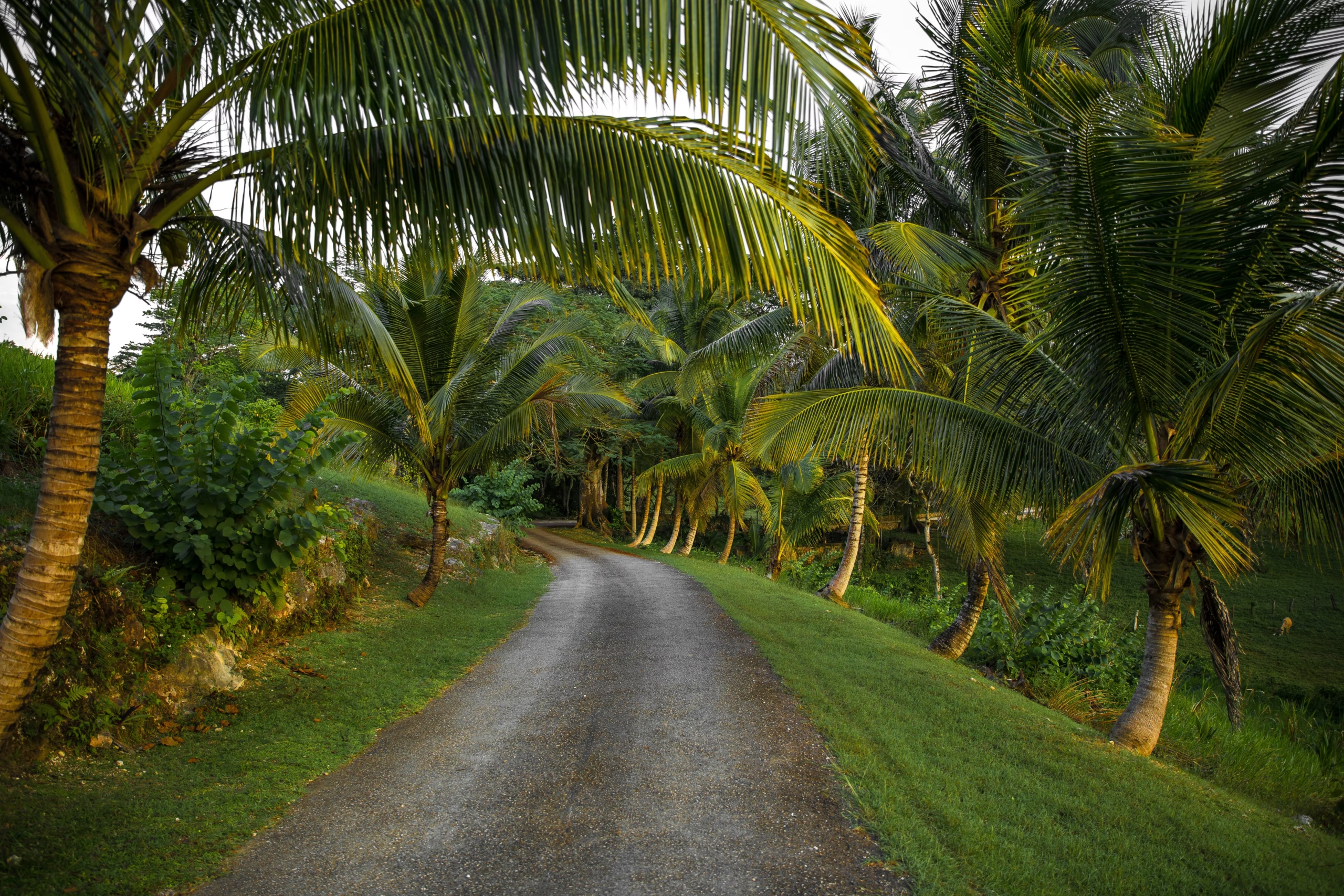
The A1 North Coast Highway connects Montego Bay, Falmouth, Discovery Bay, Runaway Bay, and Ocho Rios. The tarmac is smooth, but local driving habits require constant vigilance. Drivers overtake aggressively on single-lane stretches, and stray goats frequently wander onto the shoulder from nearby pastures. If you choose to rent a vehicle, remember that traffic moves on the left-hand side of the road, a remnant of British colonial administration.
Avoid driving long distances after dusk. Street lighting outside major towns is sparse, potholes can appear without warning following heavy downpours, and pedestrians often walk along road margins in dark clothing. If your excursion runs late into the afternoon, let a professional driver manage the route back to your accommodation, which is a sensible decision you will be glad of.
Always negotiate and agree upon your taxi fare before setting foot inside the vehicle. If the car has no meter, verbal agreement upfront prevents awkward misunderstandings at the drop-off point.
Weather, Caves & Eco-Tourism
Subterranean Climate & Tropical Rains
Jamaica enjoys year-round tropical warmth, but our weather divides into distinct dry and wet patterns. The wettest months typically arrive in May and October, delivering torrential afternoon downpours that feed the underground aquifers. Green Grotto Caves remains open during rain showers because the cavern ceiling provides natural cover, though high humidity inside teh caverns makes lightweight, breathable clothing essential.
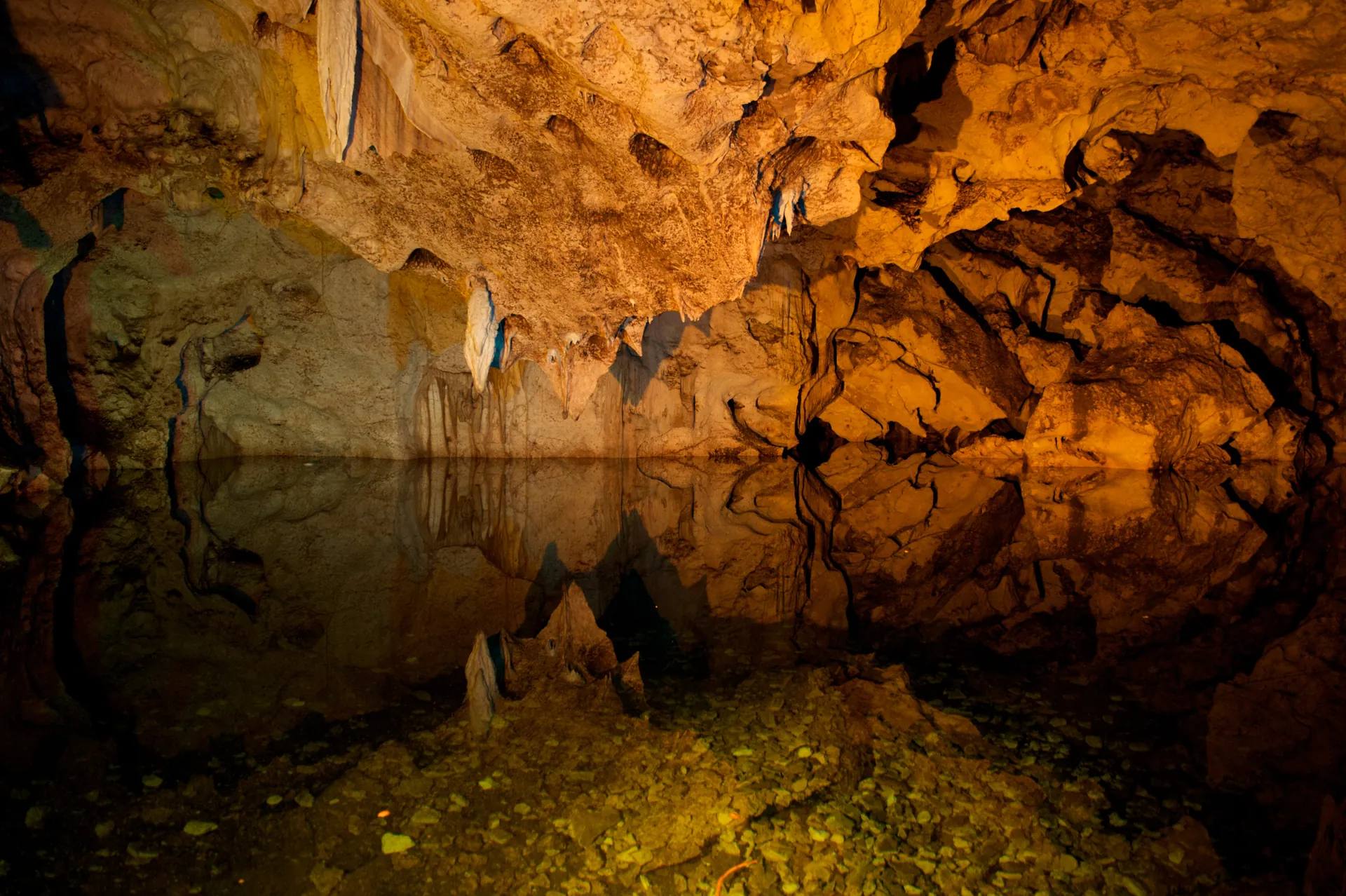
The interior temperature inside the chambers stays steady around 28°C (82°F) with humidity hovering near 90%. As you descend towards Grotto Lake, sixty-five steps beneath ground level, you will feel the air thicken. Dress in loose cotton or moisture-wicking shirts, and leave heavy backpacks in secure lockers at the visitor centre. Check regional forecasts with the Meteorological Service of Jamaica [Official Portal] when planning excursions.
Eco-Tourism Guidelines & Bat Colonies
Green Grotto Caves holds prestigious Green Globe 21 certification, reflecting rigorous environmental conservation standards monitored by Jamaica’s National Environment and Planning Agency [Official Portal]. The cavern houses nine distinct bat species, including the Jamaican fruit-eating bat and mustache bats, which roost in dark ceiling crevices. These creatures perform vital ecological work by pollinating native trees and controlling insect populations across Saint Ann.
Preserving this habitat demands conscious visitor discipline. Review our mandatory visitor rules and safety regulations before your descent:
- No Flash Photography of Bats: Sudden bursts of light disorient roosting colonies and stress nursing mothers.
- Do Not Touch Formations: Oils on human skin stop the growth of living stalactites and discolour ancient limestone walls.
- Mandatory Hardhats: Low rock ceilings and dripping mineral water require hardhats throughout the tour.
- Grip Footwear Only: Wet limestone steps become slick; flip-flops, sliders, and high heels are strictly forbidden at the gate.
- Zero Litter Policy: Karst rock is porous; foreign debris quickly contaminates subterranean aquifers feeding coastal reefs.
Local Advice & Area Itineraries
To experience Green Grotto at its most atmospheric, arrive early in the morning. Tour buses carrying cruise passengers from Falmouth and Ocho Rios usually reach Discovery Bay around 10:30 AM. Arriving when the ticket desk opens at 9:00 AM allows you to walk through the subterranean gallery in near silence, hearing only the rhythmic drip of water and the distant flutter of bat wings above Grotto Lake. If you are staying in Ocho Rios, look into our recommended Ocho Rios day trip combinations that pair cave visits with nearby waterfall hikes.
Reading recent green grotto caves jamaica reviews reveals that travelers appreciate the balance of physical exploration and deep historical narrative. The cavern’s role in Jamaican heritage runs deep; examine our guide to cave history and James Bond filming lore to understand how these limestone chambers sheltered runaway slaves and served as the dramatic set for Kananga’s underground lair in Live and Let Die. After climbing back out into the coastal daylight, head five minutes down the road into Discovery Bay for fresh fried fish and bammy, rounding out a day rooted in authentic Jamaican culture.
“The cool stillness of the limestone cavern reveals a side of Jamaica that sandy beaches cannot match: ancient, sheltered, and rich with unbroken natural history.”
For those travelling from other resort hubs, check out our specific guides for Montego Bay road excursions or explore organized transport options through a guided tour from Ocho Rios cruise port. With sensible footwear, proper currency management, and respect for the cavern ecosystem, your descent into Jamaica’s underground wonder will stand as one of the true highlights of your island journey.